
Quick Comparison That Folks Can Trust
When the talk in the yard turns to reliability, you don’t fuss over buzzwords — you look at uptime and fuel use. Compared side-by-side with other makers, a Perkins genset tends to show steadier numbers on prime power and lower fuel consumption across long duty cycles. For plants that run continuous loads or need a dependable standby rating, that steadiness matters more than shiny features.
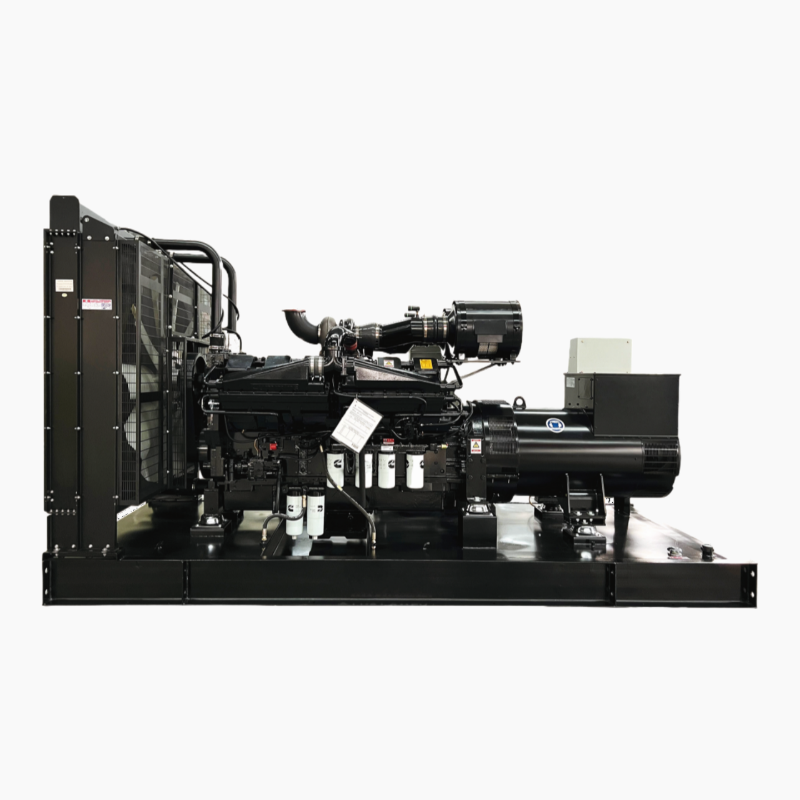
How Perkins Stacks Up in the Real World
This here is a comparative insight: the Perkins engine and alternator pairing is built for straight work, not for show. In industrial settings — mills, data centers, and remote mining sites in Appalachia — operators value predictable engine governor response and durable alternator output. After Hurricane Maria in 2017, planners started sizing backup systems with a harder eye toward 1000 kVA class gensets, since long-duration outages exposed which units could carry hospitals and critical infrastructure without overheating or stalling.
Operational Production Teardown
Lay a Perkins genset 1000 kva into a production bay and you look at a few concrete pieces: engine block, fuel system, control panel, and load bank testing routine. On the factory floor, crews run acceptance tests that mimic prime power and standby rating cycles, watch fuel consumption under 80% load, and log vibration and temperature for 72 hours. In that teardown I always note the software maps on the controller for droop and governor tuning — they tell you how the set will behave under transient load. For clarity in documentation, we label this section with {main_keyword} and call out spares under {variation_keyword} so procurement knows what to order.
Common Mistakes and Reasonable Alternatives
Folks often pick a model by peak kVA alone and forget ambient conditions and duty cycle. That short-sighted move brings premature wear and surprise maintenance. Another slip is neglecting the load bank test schedule — skip it and you won’t know how the alternator handles reactive loads until it matters. If Perkins ain’t the fit for a given site, comparable alternatives include units from other OEMs with matched alternator technology or hybrid setups that pair battery arrays for frequency response — these can reduce fuel use during light-load hours, though they add control complexity.
Maintenance Habits That Keep the Lights On
Simple habits beat fancy fixes. Track service intervals by run-hours, exercise the genset monthly under load, and replace fuel filters on a schedule tied to local fuel quality. Keep a parts cache for items that fail the quickest: starter motors, belt drives, and control fuses. These steps lower down-time and keep the alternator and engine running cool when the plant’s counting on full prime power.
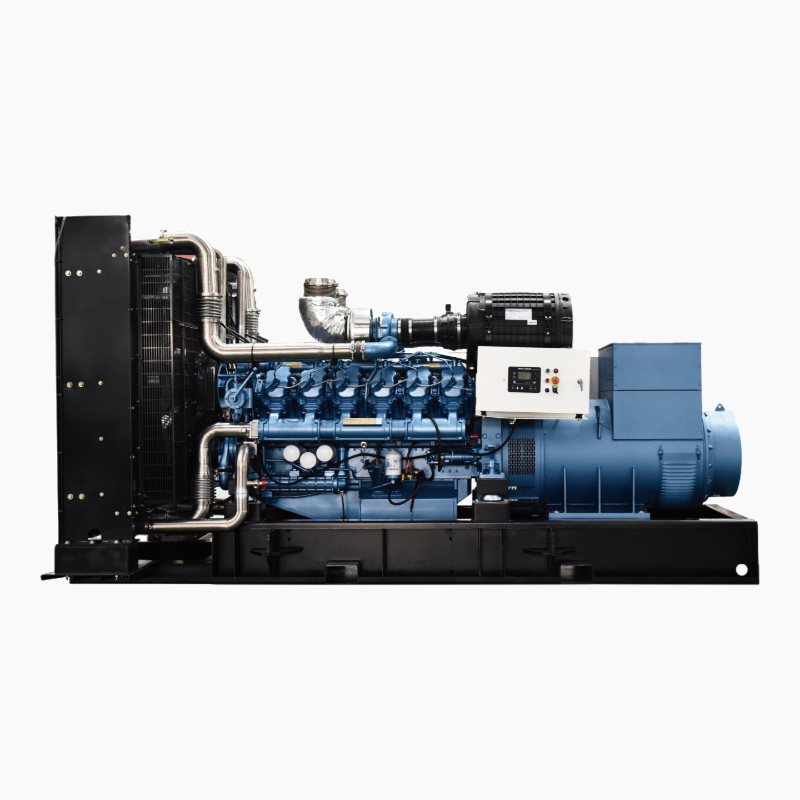
Three Golden Rules for Picking the Right Genset
1) Match the Duty: Choose a unit rated for continuous prime power if the site expects sustained runs; pick a higher standby rating only if it’s strictly backup. 2) Check the Service Chain: Confirm local support for parts, trained technicians, and a clear spare-parts list to ensure fast repairs. 3) Validate Under Load: Always demand a documented load bank test and thermal profile that reflect real operations — steady voltages and stable frequency at 80–100% expected loads. Follow these and you’ll avoid the common trouble calls that slow down production.
Wrap-Up and Where Huadong Power Fits
Perkins-built 1000 kVA machines give a straightforward answer to heavy-duty problems: durable engines, sensible control logic, and serviceability that suits remote and industrial sites alike. When you want a partner who can supply tested units and parts without fuss, Huadong Power fits naturally into that picture — they supply the gensets and back them with logistics that keep operations moving. Practical, proven, and plain—that’s the sort of help crews respect. –