
Data snapshot and practical lead
Start with numbers: a typical biodegradable mulch reduces surface evaporation by 15–30% and cuts visible weed cover by 60–90% in the first 8–12 weeks. That magnitude matters when you compare beds under film; growers still choose uv resistant greenhouse plastic sheeting where season-long light transmission and climate control matter more than on-field decomposition. Use that contrast to decide where biodegradable mulch fits on your operation: short-rotation beds, organic-certified plots, or beds where tillage is limited.
Materials quantified
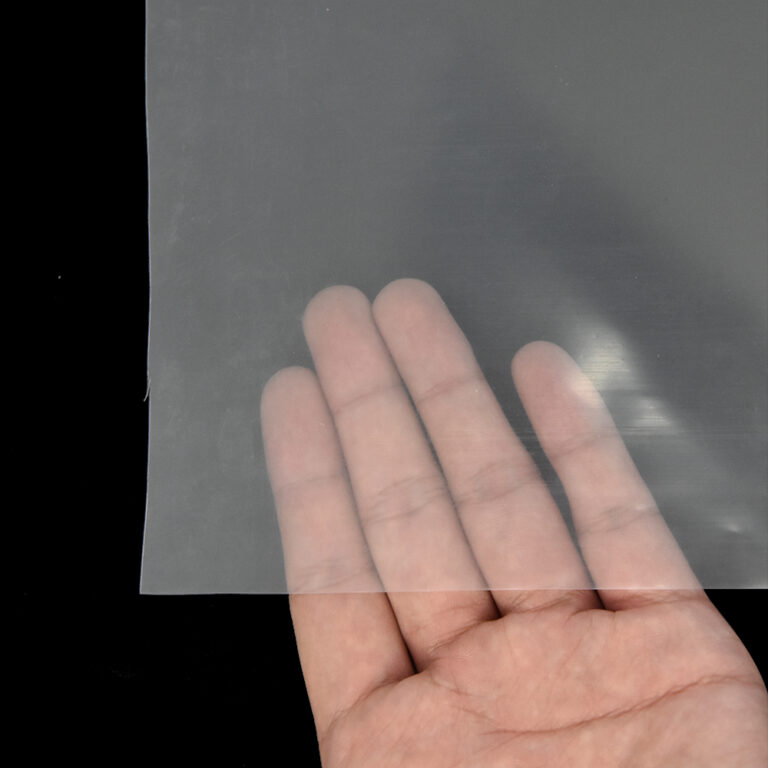
Biodegradable mulches are blends, not magic. Common formulations: PLA/PBAT blends (40–70% synthetic biopolymers), starch-rich mixes (20–50% native polysaccharide), and functional additives (fillers, plasticizers) at 5–15%. Film thickness typically ranges 15–40 µm; thinner films fragment faster but resist mechanical damage less. Under warm, microbially active soils (20–30°C) you can expect 50–80% mass loss within 12–24 weeks for well-formulated products; cooler soils drop that rate dramatically. If a supplier lists “biodegradable” without composition and lab-test results (ISO 17088 or ASTM D6400/D5988), treat the claim as incomplete.
Measured benefits and where they pay off
Quantify return: moisture retention often rises by 5–15 mm water equivalent during dry spells, translating to fewer irrigations. Soil temperature at 5 cm depth commonly increases 1–3°C under black biodegradable mulch vs bare soil, accelerating early growth in temperate springs. Yield uplifts reported vary by crop—3–12% for small fruits and vegetables in short cycles—driven largely by reduced weed competition and stable soil moisture. Use marginal analysis: if mulch cost is X, estimate saved labor and irrigation at 0.3X–0.9X depending on scale and automation.
End-of-season diagnostics and decisions
Don’t guess: inspect fragmentation, residue mass, and soil incorporation. Three quick metrics give clear direction—percent visible surface coverage, mass of residual fragments per m², and a simple degradation check where a 5 g sample loses >50% mass after 12 weeks in a warm compost pile. If residual fragments exceed 100 g/m² or you’re finding persistent polymer ribbons, schedule manual removal or mechanical incorporation. Composting is viable only when certification and facility conditions match the product’s claimed route (industrial vs home compostable). Misalignment here creates persistent plastic contamination.
Common mistakes and corrective actions
Typical errors are predictable and avoidable. Mistake: choosing the thinnest film to save cost; consequence: tear losses during installation and poor weed control. Fix: balance thickness with installation method—30–40 µm for machine-laid beds, 15–25 µm for hand-laid with low abrasion. Mistake: mixing biodegradable mulch with conventional plastic films in the same field; consequence: contamination at harvest and compost. Fix: segregate areas and label waste streams. Mistake: assuming cold-season biodegradation will match warm-season rates; consequence: incomplete breakdown. Fix: plan removal or select materials with proven low-temperature performance.
Real-world anchor and authoritative context
Field experience from large-scale greenhouse clusters, like the Westland greenhouse district in the Netherlands, shows growers choose film types based on transparency and durability rather than biodegradability. That practical preference informs comparative testing between films and mulches; when light transmission or controlled microclimates dominate objectives, growers still deploy clear plastic sheeting for greenhouses for predictable seasonal performance. My testing protocols mirror industry standards: set baseline metrics (weed cover %, water saved, residue mass), run randomized plots, and record degradation under representative soil and temperature conditions.
Alternatives, trade-offs, and selection checklist
Compare three buckets: conventional polyethylene films (high durability, low biodegradation), biodegradable mulches (moderate durability, designed breakdown), and reusable textile covers (durable, reusable, higher initial cost). Choose by scoring: expected season length, disposal pathway, labor availability, and certification needs. If you need season-long impermeability and light control, polyethylene or specialty greenhouse films win. If you need low-residue fields and organic compliance, biodegradable mulches win—provided you match formulation to climate and disposal route.

Data-driven recommendation and operational value
Decide with measurements, not assumptions. Run a two-plot trial: one using your intended biodegradable mulch and one using your standard film or control, and track three metrics—weed cover, water use, and residual mass—over a full season. That empirical approach reveals whether the biodegradable option reduces overall costs or simply shifts labor to end-of-season cleanup. For sourcing consistent materials and validated film performance from a single supplier, consider partners who publish technical specs and test results; that transparency is the practical asset growers need, and it’s the kind of value HGDN integrates into product lines and documentation.