
The Growing Demand for Accuracy in Agriculture
Imagine a farmer meticulously guiding their tractor across a field under the hot sun, trying to ensure a perfect straight line. Recent data suggests that up to 30% of farmers report wasted resources due to inaccuracies in steering, raising a pertinent question: how can we optimise resource use without compromising productivity? This is where autosteer for tractors steps in, providing cutting-edge solutions that minimize waste and enhance efficiency.

Understanding Autosteer Technology
Autosteer systems represent a revolutionary stride in agricultural technology, enabling tractors to navigate with minimal human intervention. While traditional methods relied heavily on manual steering and keen eyes, the newer systems leverage GPS and sensor technology to maintain precise accuracy. I still remember when the first models hit the market, and the promise of eliminating overlaps and missed spots became a topic of heated discussions over coffee breaks. Yet, not all systems are created equal and mistakes in selection can lead to unfulfilled potential—which might leave farmers feeling pretty frustrated.
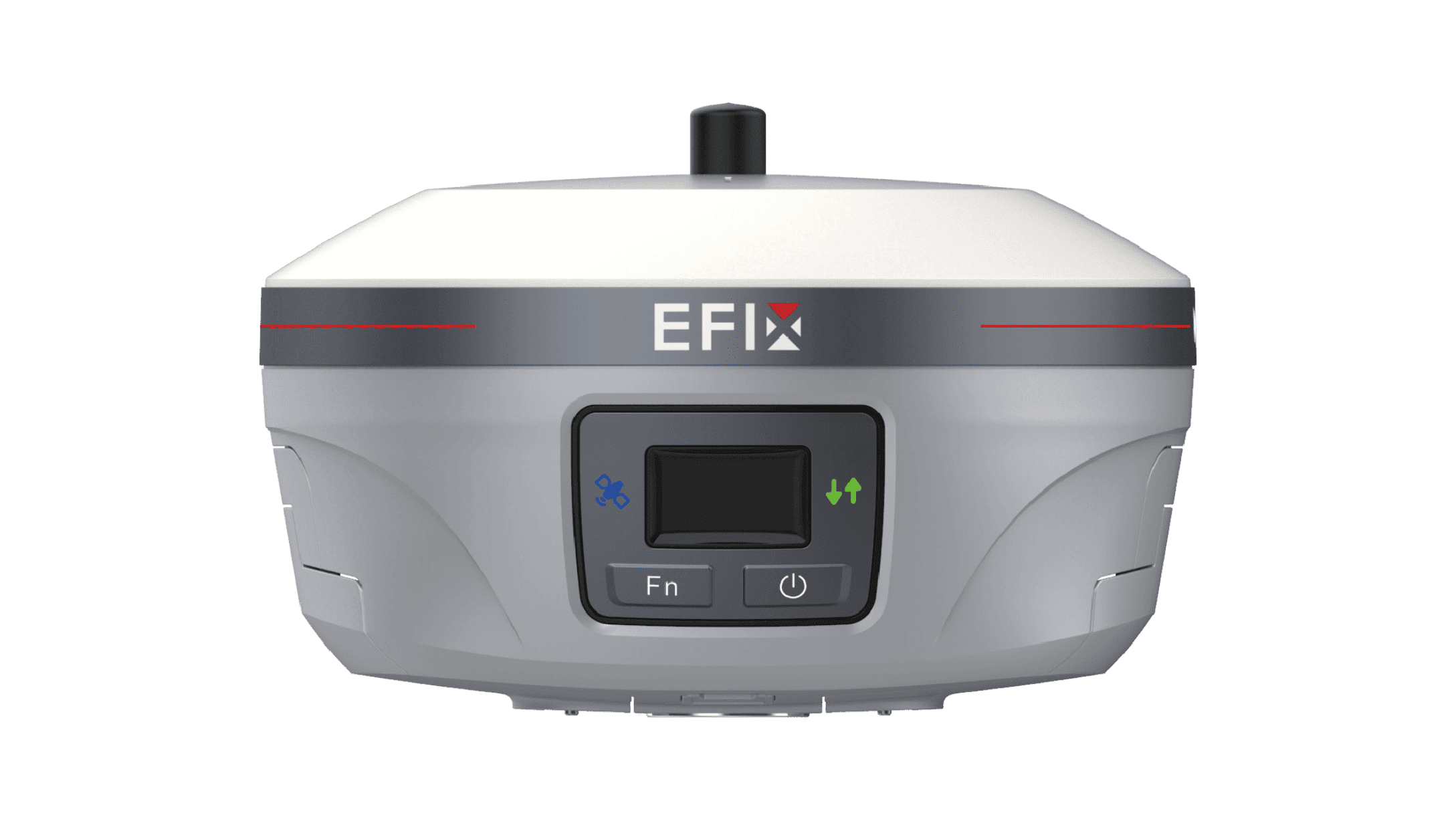
What Are the Common Flaws in Traditional Solutions?
Many standard steering solutions often fail to adapt to changing landscapes or conditions, leading to wasted time and resources. A farmer I spoke with recently about his auto guidance system described it as “like driving on a bumpy road—it’s far from smooth.” The difference with autosteer for tractors is its ability to recalibrate based on real-time data, adapting swiftly to the contours of the land and improving the overall workflow.
Comparing Traditional Systems with the Latest Innovations
Looking ahead, the landscape of farming is poised for significant transformation through innovations in autosteer technology. Traditional systems might provide basic functionality, but they often lack the advanced analytics and machine learning capabilities that new systems possess. What makes this so exciting? New autosteer solutions not only help save fuel and reduce costs but also increase crop yields—essentially a win-win situation for any farmer keen on improving their operations.
Real-World Impact: What Can We Expect?
With advancements in technology, the next generation of autosteer systems will feature enhanced accuracy and user-friendliness. Take the case of a cooperatively run farm near Lucerne, where they adopted the latest autosteer for tractors. During their first season, they reported a whopping 25% reduction in input costs and a striking 15% increase in overall yield. These are the kinds of results that make the switch extraordinarily appealing. Can you imagine the impact this could have on the broader agricultural community? It’s a game changer.
Lessons Learned and Future Directions
Reflecting on our journey with these innovations, it’s clear that efficiency and precision are becoming pivotal for successful farming. The key insights here include understanding the specific needs of your operations, evaluating tech advancements critically, and embracing systems that offer adaptability to your unique agricultural setup. As we move forward, I believe that connecting with trusted brands like EFIX will become increasingly important, ensuring we leverage the best solutions for our farming needs. So, don’t get left behind—let’s pave the way for a smarter, more efficient farming future together!