

Introduction: A Traveler’s Look at a Tangled Closet Pipeline
I checked into a short-stay flat and found a wobbly wardrobe that told a bigger story. The wardrobes supply chain often shows its seams at the worst time—late trucks, mismatched parts, and dented panels. Across markets, backorders for wholesale wardrobe closets have climbed in some regions by double digits, and returns spike when fits are off or hardware bags go missing. One study of home goods noted that up to 27% of delivery delays trace back to upstream batching and poor slotting in the warehouse (small errors, big ripples). So, how do we build a system that keeps pace with small spaces, fast moves, and real budgets?
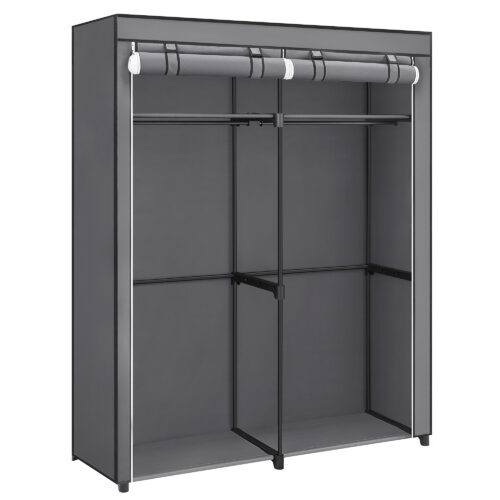
Here’s a simple contrast: bulky, batch-first habits vs. modular, flow-first methods—funny how that works, right? In cities where housing turnover is quick, lead-time variability punishes both retailers and renters. Mixed SKUs, high MOQs, and thin safety stock make the old playbook creak. If you swap rigid pallets for knock-down kits with smarter replenishment, you cut touches and shrink damage risk. But will that actually fix the last-mile pinch and the assembly headache, or just move the problem? Let’s step through the weak links, then put the new model to the test—side by side.
The Hidden Frictions: Why Old Bulk Models Break for Closets
Where do lead times balloon?
Technically speaking, the legacy approach treats closet programs like heavy furniture: big MOQs, quarterly buys, and slow SKU rationalization. That’s why wholesale wardrobe closets get stuck in batching cycles. Pick paths sprawl, WMS rules stay generic, and slotting is built for pallets, not kits. Result: touches multiply, damage climbs, and you pay twice—once in handling, again in returns. Look, it’s simpler than you think: break the workload into KD (knock-down) modules, align kits to demand clusters, and route fast-movers to a forward-pick zone. When RFID tagging and cartonization logic match real orders, workers stop hunting, and the queue clears.
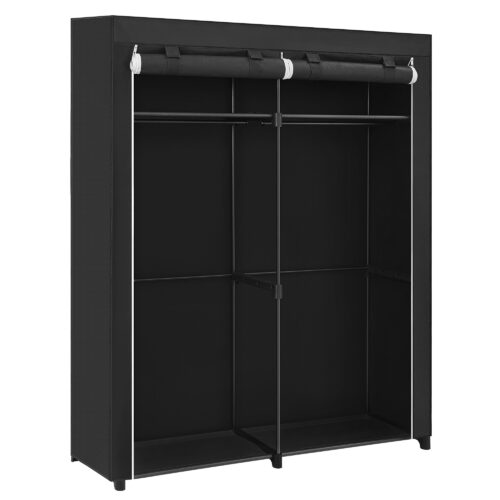
Traditional solutions hide pain points behind “economies of scale.” But those scales crack under variety. Hardware packs drift from panels, carton IDs go dark, and QC inspections spot issues only after consolidation. Meanwhile, customer expectations grow. People want easy assembly, spare screws on hand, and repair-ready parts—not a full swap. Without kit integrity checks and standard pack geometry, carriers stack wrong and corners crush. And if your replenishment window is tied to ocean-only lanes, you can’t flex during a promo. The old fix is buffer stock; the smarter fix is flow control and component-level visibility. That trims dwell time and keeps promised windows real.
Forward Paths: Cases, Comparisons, and What’s Next
Real-world Impact
Consider a mid-market retailer that tested a modular rollout with two hubs. They partnered with select bedroom wardrobe manufacturers and split the program: core SKUs staged as KD kits in a forward area, long-tail options cross-docked on demand. Compared to their bulk-only baseline, average lead time dropped from 11.6 to 6.9 days; damage claims fell by a third; and assembly calls dipped because hardware packs were serialized and scan-verified. Not magic—method. When WMS rules prefer kit integrity over pallet fullness, touches go down. And when freight is booked on cube efficiency, not just weight, you keep costs steady even as assortments grow.
Looking ahead, the comparative edge is clear: modular flow beats monolithic bulk where variety is high and space is tight. You don’t need a moonshot—just better orchestration. Map demand clusters, align kit sizes to room types, and let micro-fulfillment handle fast turns. Ocean for base load, regional transfer for spikes. Add simple telemetry on cartons (even low-cost QR works) and set exception alerts for cartons that miss their mate—funny how a tiny scan can save a truck roll. The takeaway: treat closets like a system of parts, not a single box, and you’ll meet dates without padded promises.
Advisory close—three metrics to watch: (1) Lead-time variability (P90 minus P50) across kits, not just orders; (2) Landed cost per shippable component, including touches and repacks; (3) Field failure rate within 30 days, segmented by carton path. Track these, and you’ll see which model actually performs on the ground. For teams ready to compare playbooks and data (not hype), start small, measure fast, and iterate with partners like SONGMICS HOME B2B.