
Introduction
I walked into a hotel lobby at dusk. The chandelier supply company on the project had just finished the install, and the space felt both calm and alive. We swapped a single, giant fixture for a layered piece—a 14 globe pendant light—and the difference was instant. Guests lingered 22% longer near the seating zones, according to the property’s dwell data. The color stayed true because the CRI was higher, and the lumen output spread felt even (claro). But here’s the real question: why do so many teams still bet on one big chandelier when multi-globe sets solve more problems with less fuss? I see it all the time, from retail atriums to residential stairwells.
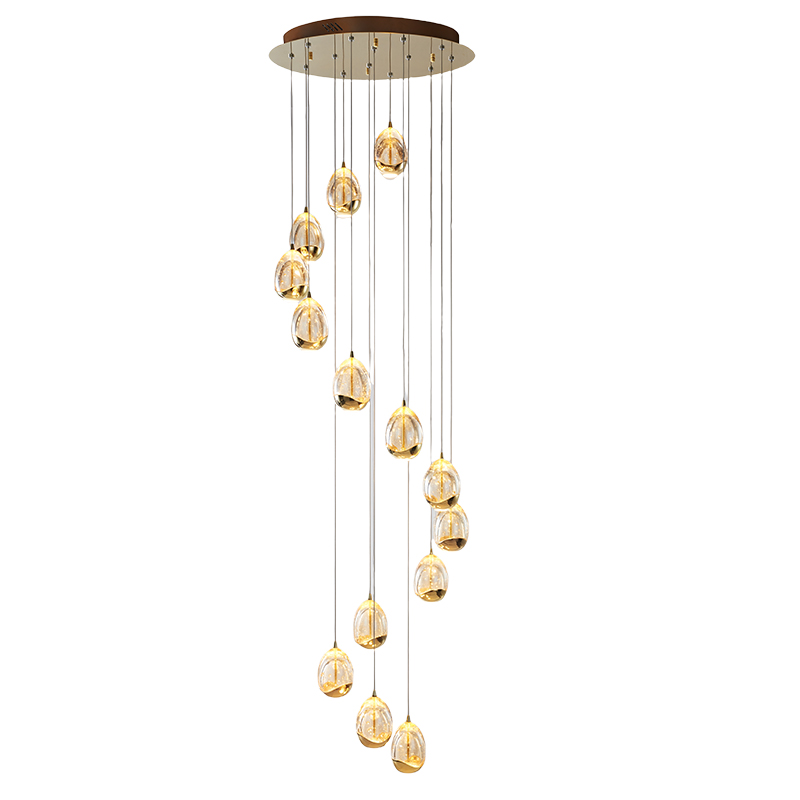
This is a simple comparison story, but it touches deeper layers. We are not just picking a shape. We are picking control, maintenance, and human comfort. A spread of smaller sources reduces glare, gives better task coverage, and keeps your dimming smooth. It is also kinder on your power converters and dimmable drivers. The old idea of “bigger means brighter” often backfires—especially in tall spaces. Ready to see where that old playbook trips up, and what a modern multi-globe system does better? Let’s move there now.
Hidden Pain Points the Old Way Doesn’t Show
Why do single-piece chandeliers disappoint?
Let’s zoom in on how light behaves. A single, monumental chandelier pushes light from one center. That creates hot spots, shadows, and glare. It looks grand, but it doesn’t guide people. Multi-globe systems distribute light across planes, so the photometrics are smoother. Look, it’s simpler than you think: more nodes, lower intensity per node, better comfort. With a 14-globe array, each globe runs cooler, easing thermal management on the drivers. Your dimmable drivers work in a happy range, and power converters avoid load spikes during scene changes. Cleaning also becomes modular. Swap one diffuser, not the entire body.
Users feel this before they notice it. Eye strain drops because the contrast is gentler. Conversations sound warmer because bright pools don’t “flatten” faces. Staff service improves because wayfinding is clearer. And maintenance crews? They love the access. Each globe ties back to a sensible canopy hardware plan and a standard junction box, so service is quick. When one lamp fails, you don’t dim the whole lobby—funny how that works, right? The old single-piece logic hides the cost of lift rentals, rebalancing, and brittle replacement parts. Multi-globe layouts reduce risk and keep the vibe steady day to day.
What’s Next: Principles Powering the Shift
Real-world Impact
The forward step is simple: distribute light, then control it smartly. A 14-globe array uses constant-current design to keep each head consistent. Add 0–10V or DALI-2 control, and scenes glide without flicker. Optical diffusion in each globe evens brightness, so you get soft edges instead of harsh rings. The result is resilient lighting that scales from entry glow to event sparkle. Even better, thermal load spreads out, which extends LED life and stabilizes output. In wet or high-traffic zones, an appropriate IP rating and robust suspension kit help the system hold up over time—without drama.
On custom work, the logic holds. Skilled teams—think custom chandelier makers—now design arrays like little networks. Each globe is a node; the canopy is the hub. You can tune height, beam feel, and finish to match circulation paths. Compared to the old monolith approach, the experience is more human and more flexible. It also protects budgets: parts are standard, service is modular, and the system is future-ready for new drivers or sensors. And yes, you can feel it—the room breathes easier.
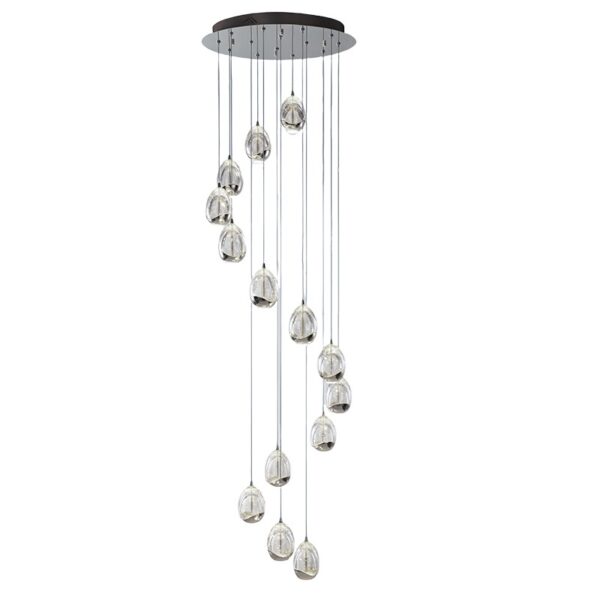
Before you choose, weigh three metrics. First, uniformity: look for a balanced ratio across the floor so faces read naturally and stairs feel safe. Second, color and output: aim for CRI 90+ and enough lumen per watt to keep energy low without dulling the scene. Third, service design: check driver topology, canopy access, and spare-part availability at height. If those three boxes are solid, the rest follows. That’s how a 14-globe mindset moves from pretty to practical, and from guesswork to measurable comfort. For more on build quality and system thinking, see kinglong.