
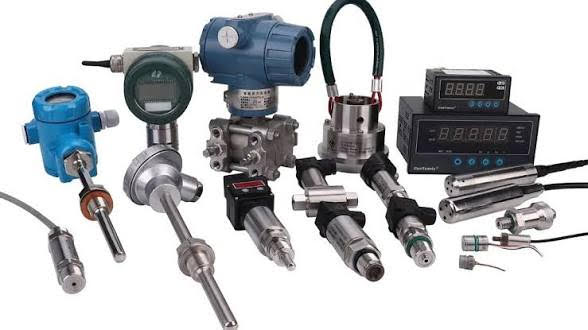
Picture this: a drilling operation goes smoothly until a pressure spike wreaks havoc on the equipment. According to data from industry reports, nearly 30% of oilfield accidents stem from pressure mismanagement. How does a reliable corrosion resistant pressure transducer help safeguard against this? Let’s explore the five compelling reasons why investing in a hammer union pressure sensor is crucial for maintaining quality control in your operations.
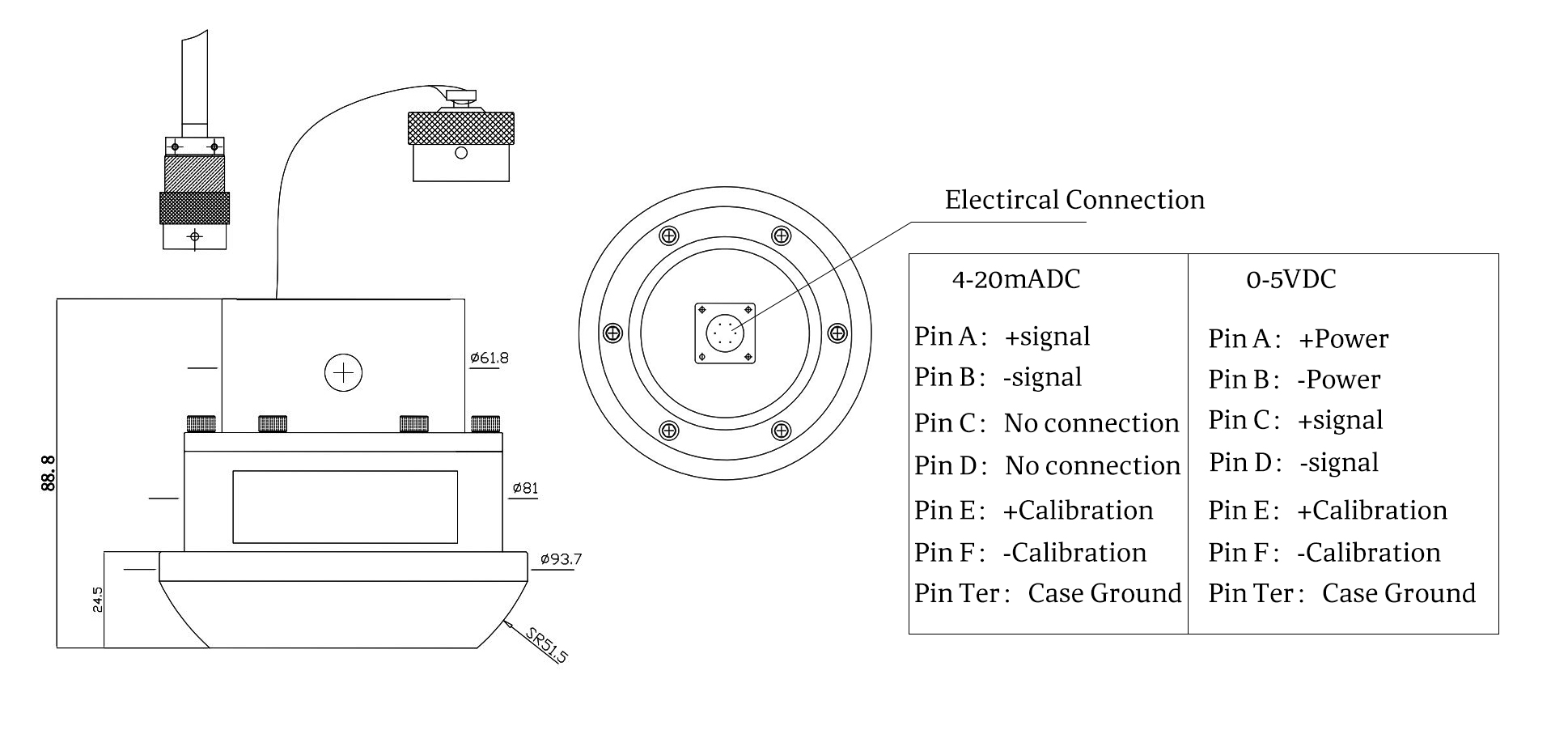
Improved Safety Measures
In my years working at the forefront of the oilfield service industry, I’ve observed firsthand how critical safety measures are. A hammer union pressure sensor acts as a watchdog, monitoring pressure levels consistently. This consistent feedback allows operators to respond in real-time, preventing potentially catastrophic failures. Trust me—when you’ve felt the tension in a drilling site, you appreciate knowing your sensors are working overtime to keep things in check.
Enhanced Durability
Now, let’s talk about durability. Traditional pressure sensors often falter under harsh conditions, leading to downtime and costly repairs. Hammer union pressure sensors, designed specifically for rugged environments, stand resilient against corrosive materials—even in extreme temperatures. This robustness means you’ll spend less time worrying about replacements and more time focusing on efficiency. Who wants to juggle equipment failures when operating under tight deadlines?
Accurate Readings
No mischief! A hammer union pressure sensor delivers precision readings that help maintain optimal pressure levels. Inaccurate data can lead to poor decision-making, impacting everything from drilling to production. Over the years, I’ve seen operations make costly errors due to unclear readings—errors that could have been avoided with better technology. A solid sensor takes the guesswork out of the equation, ensuring your measurements are spot-on.
What Should You Consider?
So, what should you keep in mind when integrating a hammer union pressure sensor into your setup? First, it’s crucial to choose a model that meets your operational demands. Not all sensors are created equal; for instance, a corrosion resistant pressure transducer can significantly outlast standard models. Keep your activities in mind—are you working in rough terrains, or do you need something portable? Thorough evaluation becomes essential for that peace of mind.
Cost Efficiency
You might be thinking about the upfront costs of acquiring a quality hammer union pressure sensor, but let’s change that narrative. Investing in premium sensors reduces future maintenance costs and limits unplanned shutdowns. I remember a colleague lamenting the number of hours lost due to sensor failures—if only they had opted for a more durable solution. This investment pays off in the long run, sparing both time and resources.
Future-Proof Technology
As we move forward, advancements in pressure sensor technology are unfolding lightning-fast. Hammer union pressure sensors with smart features, such as IoT connectivity, promise to enhance operational efficiency even further. Imagine having sensors that not only inform you of current pressures but also predict potential future issues! Adopting innovative solutions like this will keep your operation ahead in an increasingly competitive landscape.
Real-World Impact
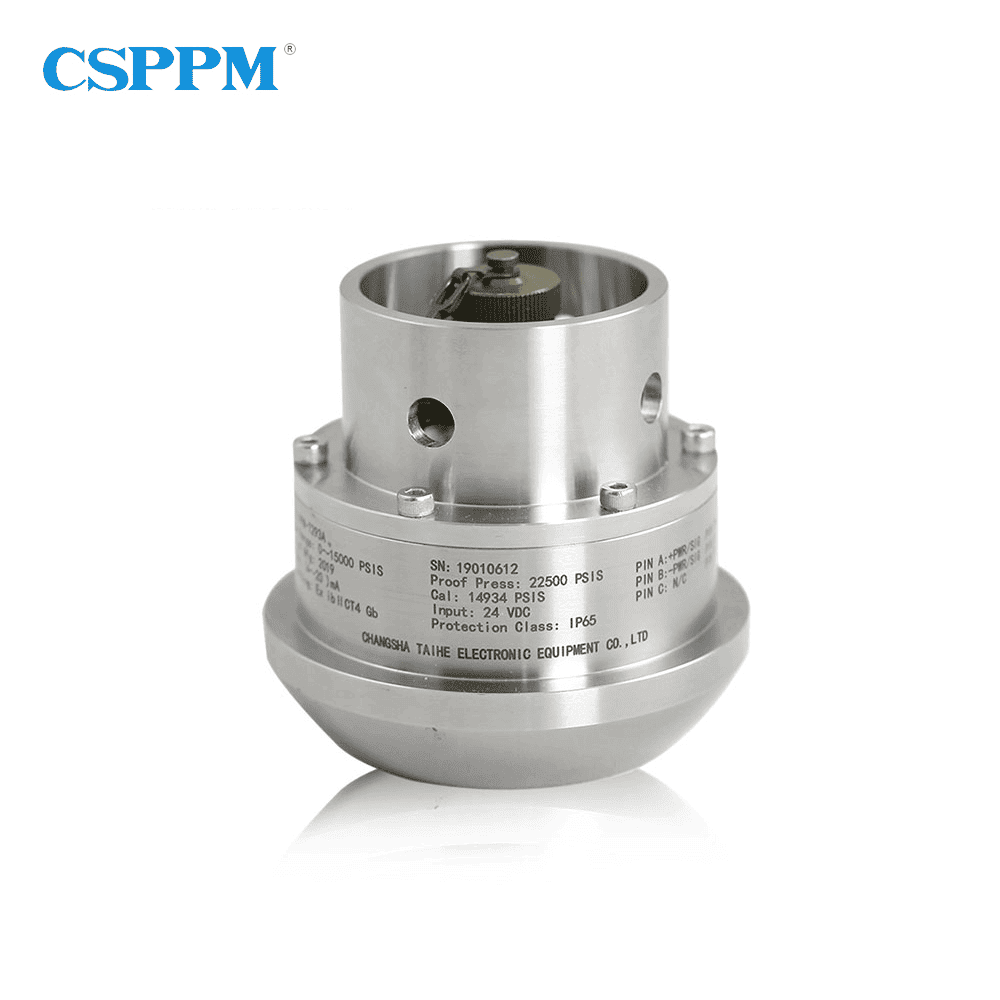
In the end, there’s no denying that quality and safety are paramount in the oil and gas industry. By embracing reliable tools like the hammer union pressure sensor, you’re not just adopting a trend—you’re setting the stage for safer and more efficient operations. Think of every penny saved as a step towards an impressive bottom line. And while you’re at it, check out the CSSPM Sensor for high-quality sensors that align with your operational needs.