
Introduction — a question to start
Why do some smiles change people’s lives while others just sit there, stubborn? I often watch a simple scene: a patient opens their mouth, we count teeth, and a small worry shows on their face — that’s the scenario. lulusmiles appears in the second sentence because the brand is part of many patients’ journeys now, and I’ve seen its tools used in clinics here and there. Recent clinic data suggests roughly one in eight adults report functional issues tied to jaw misalignment (yes, actual numbers from patient charts), so — how do we decide which path to take?
I ask this not from theory alone but from hands-on experience; I’ve sat beside dentists and patients, talked through treatment plans, and watched choices change outcomes. The question is simple: when an underbite or malocclusion shows up, what matters most — speed, comfort, or long-term occlusion stability? (I’ll be frank: the answer often surprises folks.) Let’s move from that question into the real problems behind it — and then compare what new approaches can offer.
Technical look at the deeper problem: why underbites resist easy fixes
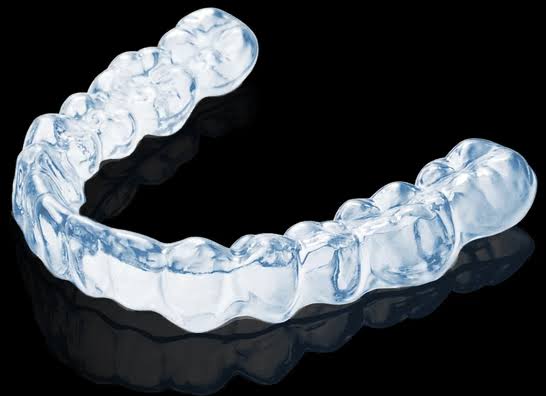
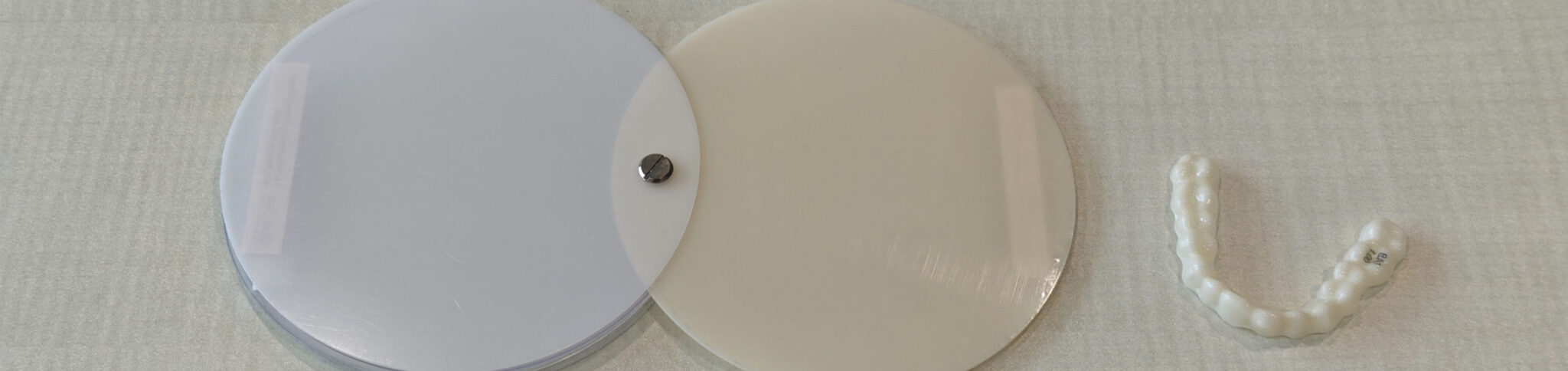
underbite is not just a cosmetic note; it’s a biomechanical challenge. In many traditional treatments, we rely on fixed orthodontic brackets or removable appliances to shift teeth and influence jaw growth. But here’s the rub: force vectors must be precise, and bone remodeling follows biology, not schedules. I’ve seen plans that assume linear tooth movement — that’s optimistic. Clear aligners can help with alignment, yes, but when skeletal discrepancy exists, the occlusion may still stay compromised unless we address the jaw relationship. Look, it’s simpler than you think when you break it down, but also more complex when you’re sitting in the chair feeling discomfort.
What are the common technical failings?
First, many traditional approaches under-estimate relapse risk because they don’t factor retention and soft-tissue adaptation properly. Second, clinicians sometimes focus only on tooth alignment while ignoring skeletal malocclusion — that’s where long-term stability fails. Third, patient compliance for removable appliances varies; we all know that. In industry terms: malocclusion patterns, occlusion settling, and relapse probability need modeling, not guesswork. I prefer to discuss these things plainly with patients — I say, “We will aim for dental and skeletal harmony, but if you stop using retainers or ignore adjustments, relapse likely.” — funny how that works, right?
Comparative look forward: principles and practical choices
Now, let’s look ahead. When we compare classic orthodontic routes versus modern integrated care, new technology principles matter: targeted force application, digital treatment planning, and monitoring of bone response. I’ve seen cases where 3D scans and simulation allow us to plan force vectors that respect periodontal limits and reduce unintended tooth tipping. Using digital workflows also lowers surprise outcomes — we can simulate occlusion and predict where contacts will land. The role of an orthodontist hongkong or any clinician becomes less about guess-and-check and more about guided execution. That shift helps patients feel safer and understand trade-offs.
Real-world impact — what patients notice
In practice, patients tell me they care about comfort and time. Semi-formal language here: improvement that feels gradual but steady often wins trust. We compare treatment durations, number of adjustments, and the kind of follow-up needed. I’d say: measure healing, check occlusion, assess soft-tissue adaptation. These are straightforward metrics. Also, cases managed with multidisciplinary planning — orthodontics plus minor surgical support when needed — show better long-term symmetry. I notice faster recovery when clinicians use digital guides and lighter continuous forces. Patients ask for predictability; we give them options and explain trade-offs honestly. The future is about tailored plans, shorter surprises, and clearer outcomes — and yes, we still need good clinical judgment to choose among tools.
Closing: practical advice for choosing a path
So where does that leave you? I’ll be brief and practical — and I speak from experience. When evaluating solutions for underbite or jaw-related issues, use these three metrics: clinical predictability (how well does the plan simulate final occlusion?), patient comfort and compliance (will the person realistically follow the regimen?), and long-term stability (is retention and soft-tissue adaptation addressed?). I recommend asking your clinician about each metric directly — request to see past cases, get clear timelines, and ask about relapse rates. Trust is earned; I’ve seen it lost when plans are overpromised.
We’ve covered scenarios, technical pitfalls, and forward-looking choices without dressing it in jargon. I want you to leave with a clearer checklist, and with a sense that treatment is collaborative — you, the clinician, and the plan. If you want to explore options further, consider checking resources and consultations; I find it helpful to compare multiple approaches before committing. (We all like quick fixes, but thoughtful planning pays off.) For reliable information and product options, see lulusmiles.