
The real problem manufacturers face
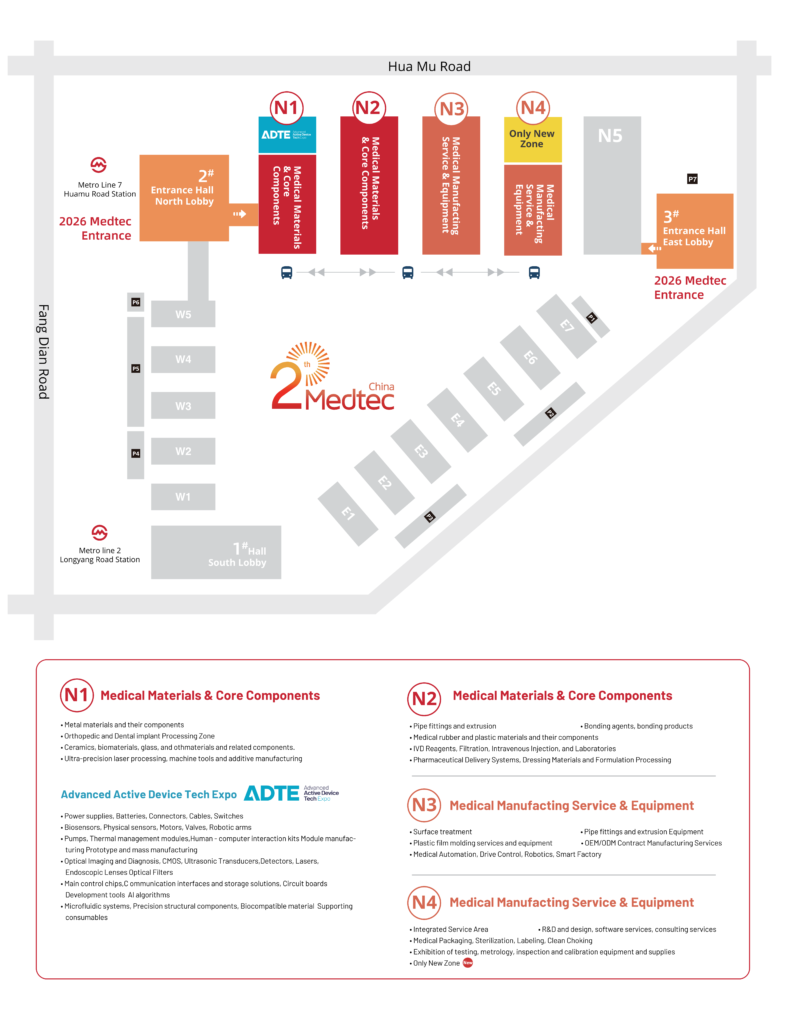
Lots of medical OEMs buy nitinol wire in bulk and expect consistent performance — but reality often falls short. Yield drops when tiny surface issues or inconsistent heat treatments sneak in, and that’s exactly what triggers biocompatibility failures under ISO 10993. I’ve seen this play out live at an international medical expo, where small suppliers struggled to explain failed cytotoxicity data. Nitinol behavior, surface chemistry, and finishing matter more than people assume; a missed passivation step can ruin a whole lot of parts.
Where precision slips and why it matters
Problems cluster around a few repeatable steps: wire drawing, shape-setting heat treatment, surface finishing (like electropolishing), and packaging/sterilization. Contaminants from tooling or inconsistent electropolishing change surface oxide thickness and can increase ion release — that pattern shows up in biocompatibility tests. Regulators reference ISO 10993-1:2018 for biological evaluation; related test parts you should know are:
– ISO 10993-5: Tests for in vitro cytotoxicity
– ISO 10993-10: Tests for irritation and skin sensitization
– ISO 10993-11: Tests for systemic toxicity
Missing one of these can mean repeat testing, delayed product launches, and wasted inventory. Keep track of finishing chemistry and blank control samples during process validation.

Fixes that actually move the needle
Start with data-driven incoming inspection: measure diameter, surface roughness Ra, and oxide thickness on each lot. Standardize heat cycles with batch records and use control charts to catch drift early. For surface finishing, validated electropolishing followed by a documented passivation rinse reduces metal ion migration and improves cytotoxicity outcomes.
Sterilization choice matters — validated methods that match final packaging and material compatibility must be in your control plan. For vendor audits, demand process flow diagrams and retention samples for at least the duration you need to investigate failures. — Small labs often skip retention, and that’s when traceability falls apart.
What wholesale buyers should demand from suppliers
Buyers need concrete evidence, not promises. Require batch-level test reports showing surface analysis (SEM or profilometry), residuals screening, and at least one biological evaluation summary tied to the lot. Ask for sterilization validation reports and a description of cleaning agents used before packaging. A supplier that can map process parameters to biocompatibility outcomes saves you time and money.
Common mistakes and how to avoid them
Avoid these traps: accepting visual inspection alone; ignoring tooling transfer contamination; skipping small-scale pass/fail runs after process changes. Instead, run a controlled transfer protocol: three pilot runs, full surface chemistry checks, a single-cycle biological assessment tied to the production lot. That smaller upfront effort prevents big retests later.
Advisory: three golden rules for choosing the right approach
1) Metric-driven acceptance: Insist on numeric acceptance criteria for diameter tolerance, Ra (surface roughness), and oxide thickness; tie those numbers to past successful biocompatibility data. These are measurable and non-negotiable.
2) Process traceability: Only partner with suppliers that keep batch records for drawing, heat set, electropolishing, and packaging — including chemical lot numbers for cleaning agents and dates for sterilization cycles.
3) Validation-first mindset: Require documented validation (including small-scale biological testing) before full-scale orders. Validation reduces surprises during regulatory review and saves production time.
There’s a lot of nuance here — the teams I work with treat these rules like a checklist at trade shows and audits, including conversations at Medtec in Shanghai that proved the value of on-site verification. Final point: trust data, not claims. Medtec has been where many of these supplier conversations started — it’s a good place to see who actually walks the walk.
Clear metrics, real traceability, and validated finish — that’s the route to steady yield and compliant nitinol parts. Ready and reliable — that’s my frame of reference.