
Introduction
I remember walking into a small clinic last winter where a receptionist was juggling six calls and a stack of patient forms — the scene felt oddly familiar. The clinic had just ordered equipment from a red light therapy company to expand services, and the staff were hopeful but tired. Recent industry notes show growing consumer interest in at-home and clinic-based photobiomodulation (more clinics adding devices each year), so why do so many providers still struggle to make treatments smooth and reliable? (I’ve seen this firsthand — long waits, confusing settings, mismatched expectations.)

In this piece I’ll tell you what I learned on those clinic floors, share data-backed gaps we can fix, and ask the key question: how do we redesign services so practitioners and patients both win? I’ll move from problem to practical next — let’s dig into the real limits we keep repeating.
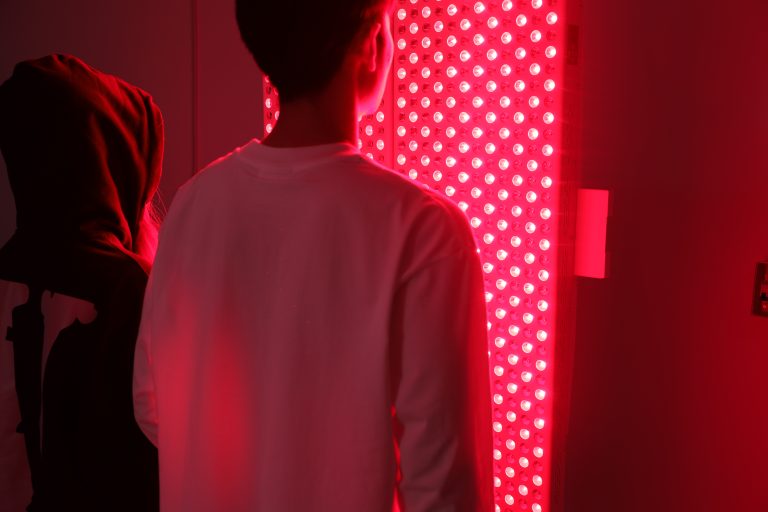
Why Traditional Infrared Red Light Bed Solutions Fall Short
infrared red light bed systems promised simplicity, but often deliver complexity. I’ve tested units that advertise even irradiance and consistent wavelength only to find hotspots, weak coverage, or confusing controls. From an engineering view, photobiomodulation works when wavelength and irradiance are right — yet many beds lack proper LED arrays, stable power converters, or calibrated sensors. That mismatch means inconsistent outcomes for users and mounting frustration for staff.
What exactly breaks down?
First, manufacturers sometimes overemphasize peak power instead of distribution. Patients get high intensity in one area and little in another. Second, service teams rarely get training on therapy protocols and session duration, so staff improvises. Look, it’s simpler than you think — consistent dosimetry and clear protocols solve most problems. I’ve sat through equipment demos where specs sounded great on paper; in practice, calibration and maintenance were the weak links — funny how that works, right?
New Principles and a Practical Outlook
What’s next is less about gizmos and more about system design. If we adopt three core principles — measured irradiance mapping, user-centered controls, and modular LED arrays — clinics can deliver predictable outcomes. The next generation of infrared red light bed platforms needs to include built-in sensors, simple interfaces, and replaceable panels so clinics can scale without reinvesting in whole units. I’ve seen prototypes that log session data automatically; that data then informs therapy protocols in real time (helpful for both novices and experts).
Real-world Impact
In practice, these changes cut session variability and staff time spent troubleshooting. They also improve patient trust — people notice when a treatment feels consistent. From my perspective, the future favors products that combine solid hardware (stable power converters, reliable LED arrays) with clear software feedback and training. Providers want measurable gains. Patients want results.
To help you evaluate options, here are three key metrics I use when choosing a solution: 1) Uniformity of irradiance across the treatment surface (does the bed deliver even light?), 2) Measured wavelength stability over time (are the LEDs consistent?), and 3) Serviceability — how easy it is to replace modules or update firmware. Use these, and you’ll cut guesswork. I’ll be watching how manufacturers respond — and I’ll share what works. — For now, start small, measure often, and choose systems that grow with your practice. Magique Power