
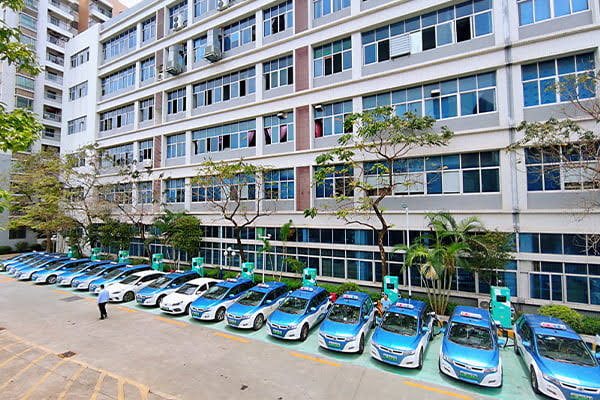
Introduction: A Small Puzzle, Big Stakes
Have you ever wondered why a simple charging stop can feel like stepping into a mystery? Data from recent urban pilots show long idle times at public chargers and an uptick in customer complaints — and I want to know why. An ev power charging station that should be straightforward often isn’t; users face inconsistent speeds, confusing payment flows, and crowded ports (frustrating, right?).
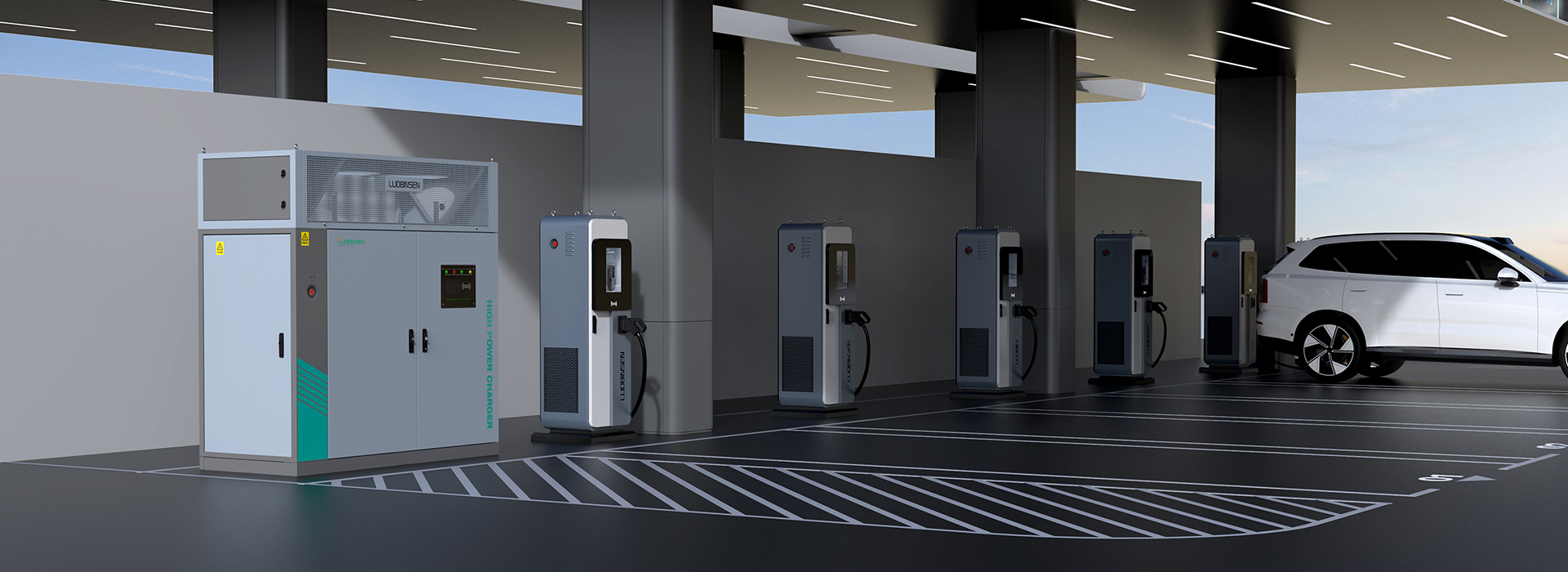
Picture a weekday evening: five cars queued for one fast charger, drivers checking apps, comparing prices, estimating wait times. The numbers matter — wait times rise 30–40% during peak hours in some cities — so the question becomes: which system actually keeps a fleet moving and a single driver calm? I’ll walk you through what I’ve learned, step by step, to make that decision easier. Next, we’ll dig beneath common fixes and find the real cracks to repair.
Part I — Where the Old Fixes Fall Short (Deep Technical Look)
electric car power station vendors promise simple plug-and-charge, but beneath the marketing are recycled answers that miss real pain. I’ve seen installations where hardware was fine, yet user frustration stayed high. Why? Many systems ignore load balancing and rely on basic power converters that can’t adapt to changing grid conditions. The result: chargers slow down, billing hiccups appear, and no one knows whether the fault is the charger, the network, or the app.
Look, it’s simpler than you think: the old approach patches individual problems instead of redesigning how the site communicates with the grid and the cars. In practice, that means poor use of edge computing nodes for local decision-making, inadequate charging protocol support for diverse vehicles, and little attention to smart meters integration. I’ve audited sites where adding a single load-balancing algorithm reduced peak waits dramatically — and that’s the kind of targeted fix that actually changes user experience.
Why do established systems fail so often?
Because they treat symptoms, not systems. They focus on faster cables instead of smarter control — and users pay the price.
Part II — Moving Forward: Principles for Better Charging (New Technology)
Now let’s shift from diagnosis to design. I prefer principles over products: modular hardware, adaptive software, and clear user flows. Start with modular chargers that let you swap power converters without overhauling the whole site. Add edge computing nodes to make split-second decisions locally — like throttling individual ports during a grid event or prioritizing emergency charges. These choices reduce downtime and keep the customer journey smooth. — funny how that works, right?
Next, adopt open charging protocols and smarter meters so the station talks to cars and utilities in a common language. That interoperability is where an ev charging solution moves from being a single point of failure into a resilient node on a network. In real projects I’ve led, bringing the software layer into parity with hardware cut average transaction times and recharged trust among users. The future, to me, is less about power per port and more about coordination across sites, vehicles, and grids.

What’s Next — Real-world Impact
Imagine distributed load balancing across a neighborhood of chargers. Peak demand gets smoothed, energy costs fall, and drivers get consistent speeds. That’s not theory — it’s the logical result when you pair smart meters with adaptive software and robust edge nodes.
Conclusion — How to Evaluate and Choose
We’ve walked through the diagnosis and seen the repair kit. If you’re selecting a system for your fleet or site, keep these three clear metrics in mind. I recommend them because they measure real outcomes, not just specs on a brochure:
1) Operational Resilience — Can the system maintain service during grid fluctuation or partial hardware failure? Look for edge computing nodes and fallback logic. I’ve watched resilience save operations during brownouts.
2) Interoperability & Protocol Support — Does it handle multiple charging protocols and integrate with smart meters? Real-world fleets have mixed vehicles; limited protocol support is a long-term trap.
3) User Throughput & Experience — Measured by average queue time and transaction success rate. If drivers keep circling for a free port, the tech has failed them. Prioritize sites where adaptive load balancing and clear payment flows are proven in live tests.
I’ve been in the field, on the tarmac and in control rooms; these are practical checks, not marketing lines. Choose systems that make life easier for drivers and ops teams — and you’ll see better uptime and happier users. For credible implementations and partners who live by these principles, consider checking solutions from Luobisnen.